

The Sandwich Generation



How midlifers balance caring for aging parents, kids and themselves
By Lauren Finney Harden
Brookhaven resident Deanna Perrotta Steinke starts her day at 4:30 a.m. She’s the Chief Human Resources Officer at a public company, a mom to an 11-year-old and the primary caretaker for her 83-year-old father, who lives with her and her husband. “It’s the only quiet time I have all day,” she says.
After getting herself ready for work and her daughter off to school, Perrotta Steinke comes back to her home to start her second morning shift with her dad, who has early onset dementia. “We assess whether it’s going to be a good day or a bad day,” she says, noting that he once totaled her car thinking he had to go pick up his granddaughter from school. “That’s the worst part; what’s going to be unknown at any given time?”
She manages all of this while working from home, squeezing mealtimes and doctor’s appointments for her dad between meetings before picking up her daughter for homework, family dinner and bedtime for both. Her day ends around 10 p.m. “And then I go to sleep and I don’t talk to anyone,” she says. “I don’t take care of myself because I am taking care of everybody else.”
A similar routine takes shape across town in Candler Park for Audrey Hall, who, alongside her husband, cares for her 76-year-old father and 5-year-old daughter. Hall’s father lives in a memory care facility and not in her home, but her list of responsibilities for him is just as long.
Hall runs her own interior design firm, yet all of the activities surrounding her father take place during business hours, making it tricky to balance her full plate. “The daily battle is: to visit, or to feel guilty about not visiting?” she says. When she does go, several days a week, it’s not quality time necessarily, as she busies herself with staff check-ins, replenishing supplies and tidying up. “He still recognizes us and appreciates our presence, so it’s hard to be there and hard to leave,” she says.
The Sandwich Generation
The Sandwich Generation, or midlife adults who are responsible for caring for children and aging parents, feel the strain of everyday life in technicolor. According to the Pew Research Center, about half of adults in their forties are caregivers for children under 18 and parents over 65.
It can be a lot to take, says Buckhead-based Wimberly Underwood, a hospice social worker. “The Sandwich Generation is burning the candle at both ends,” she says. These caregivers have two sets of people who physically, emotionally and financially need them, which doesn’t allow for a lot of time for rest. Because of that, burnout can happen much faster, Underwood says.
It might seem like a lose-lose-lose situation, but prioritizing yourself, even when others need you, is paramount, Underwood says. “I say all the time, ‘You can’t care for your loved one if you don’t take care of yourself,’” acknowledging that this can be a hard mentality to adopt for someone who is deep in the trenches.
But small things, like making sure to eat three meals a day and drink plenty of water, count as self-care. Underwood says it’s important to start somewhere and work your way up to dedicated relief. For example, Perrotta Steinke books a solo trip to Europe every year as her sacred time and boxes several times a week as a stress reliever; Hall relies on help from her siblings, husband and in-laws to stitch it all together and make sure she takes time to take care of herself.
Atlanta-based Staci Hannah, the founder of Graceful Journey ATL, a service that provides compassionate aging navigation, agrees that prioritizing self-care is important—and that can even start during day-to-day caregiving. A quick win in her book is a self-imposed time-out. “Walking away, going outside or going into your bathroom or closet is OK,” she says. “Remember, without you, there would be no support.”
The Importance of Teamwork
Hannah’s second piece of advice to those facing these burdens is to build a team to help alleviate some of the stress. Hannah cautions that there is no medal for doing it all by yourself. Asking for help is normal and will be well received. “It truly does take a village, and it can be something as small as bringing over food through a meal train or offering to sit with someone while your friend runs an errand,” Hannah says.
What Help Can Look Like
- Starting a meal train
- Sitting with a parent while the caregiver runs an errand
- Handling a pharmacy run
- Going to an appointment
- Restocking supplies
- Giving the caregiver a few hours completely off
If financial resources are available, both experts consider leaning into outsourcing to get back a little more me-time. “It allows a caregiver to get their hair done, see friends and feel ‘normal,’” Underwood says.
 Hiring an expert consultant can really help navigate what is often a confusing care system. For example, Hannah brings her collective experience in memory care, hospice and developing the Georgia Dementia Care Program to the table when creating an individualized plan for a parent with a terminal diagnosis. “I can help them understand the diagnosis, provide resources and teach them hands-on skills on how to better support themselves and their loved ones,” she says.
Creating a Plan
If you are new to a diagnosis with an aging parent, both experts agree that creating a plan should be step one, and it doesn’t have to be outsourced at a premium price. To build the right care team, Hannah recommends starting with Area Agencies on Aging (AAAs), which are federally mandated local organizations that connect Medicare and Medicaid participants to services that support aging in place. Free resources include caregiver respite, insurance counseling, community referrals and more. A specific diagnosis, such as Parkinson’s, should have disease-specific organizations that can help identify local resources and support groups.
Where to Start
- Contact your local Area Agency on Aging.
- Ask about respite care, transportation and in-home support.
- Look for disease-specific organizations, such as Parkinson’s or Alzheimer’s groups, for local guidance.
Some families are able to have parents live with them and it’s tenable. But if having an aging parent at home is becoming unmanageable, Hannah suggests looking into residential communities. The three primary tiers are independent living, assisted living and memory care. “Memory care is for someone living with dementia who needs 24/7 support,” Hannah clarifies.
It can be difficult to decide when it’s time to potentially seek deeper care options, but there are several signs you can watch out for. “If you live long distance and your mom says she’s eating all the time, but you go to her house and there’s no food in the refrigerator,” says Hannah. “That’s a red flag.”
Signs It’s Time for More Support
- Memory issues are interfering with daily life
- Food, medication, hygiene or safety concerns are becoming harder to manage
- A parent needs more supervision than family can realistically provide
- Caregiving is affecting your health, work or family life
If you go the private care route, Hannah says the number one thing you need to look for is that the staff is engaging with your loved one. “Engagement makes a huge difference, and it looks different for all of us,” she says. “It’s key to a quality of life.” And if a caregiver has the budget for it, Underwood says caregiver therapy is worth prioritizing for their quality of life.
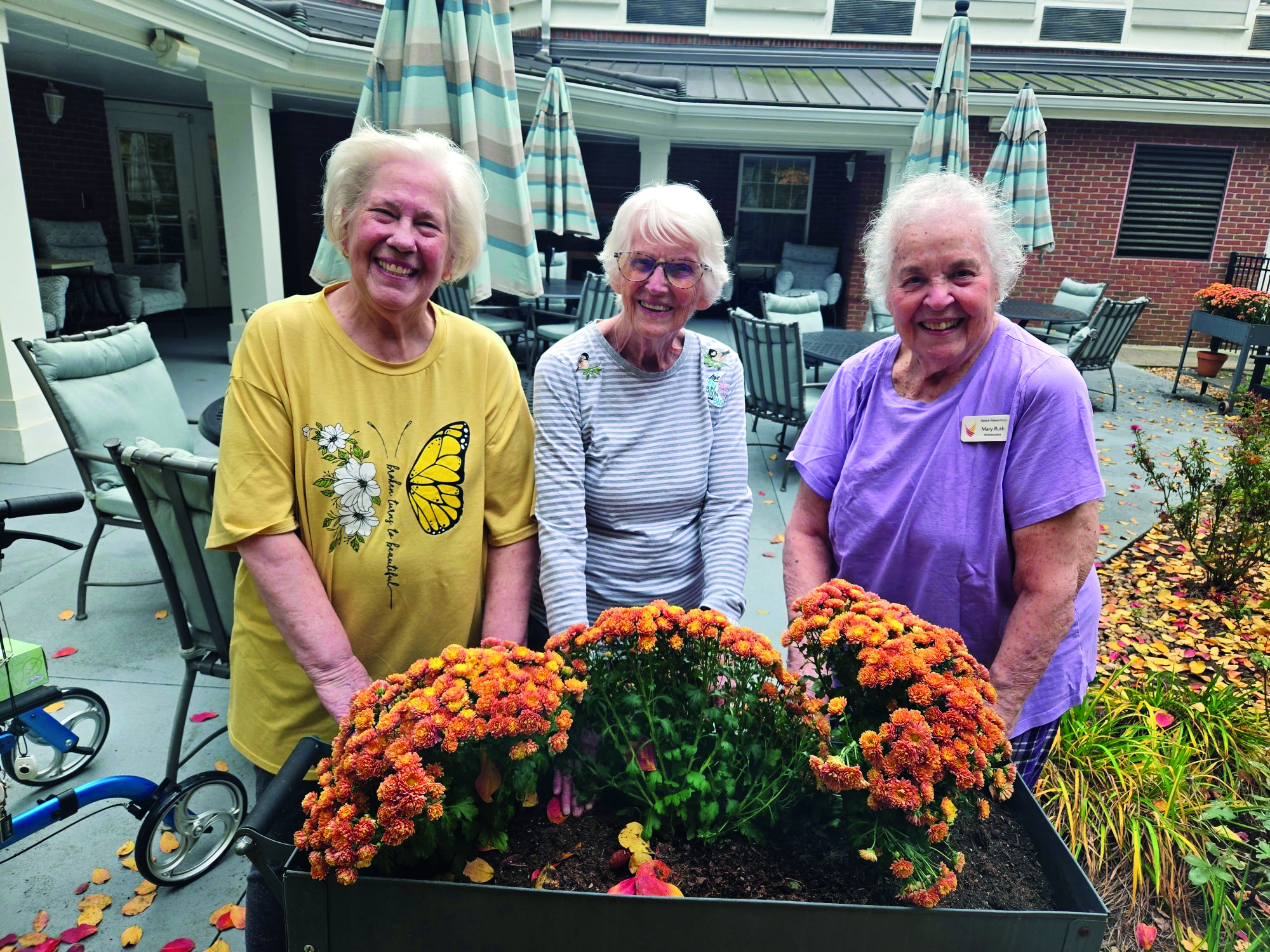 Hannah also encourages people not to be afraid of hospice. While hospice has some deep emotions attached to it, it’s not always about very short-term care. “Hospice means you have to have a diagnosis of six months or less, but people commonly live years in hospice, like President Jimmy Carter,” she says. “Hospice care can mean quality of life.”
It can be overwhelming to realize a parent needs you as much as a child does, but Hannah gently reminds her clients that there is no way to do this wrong. “It’s one step at a time, and the fact that you’re showing up for them is a positive,” she says.
Aging & Care Resources
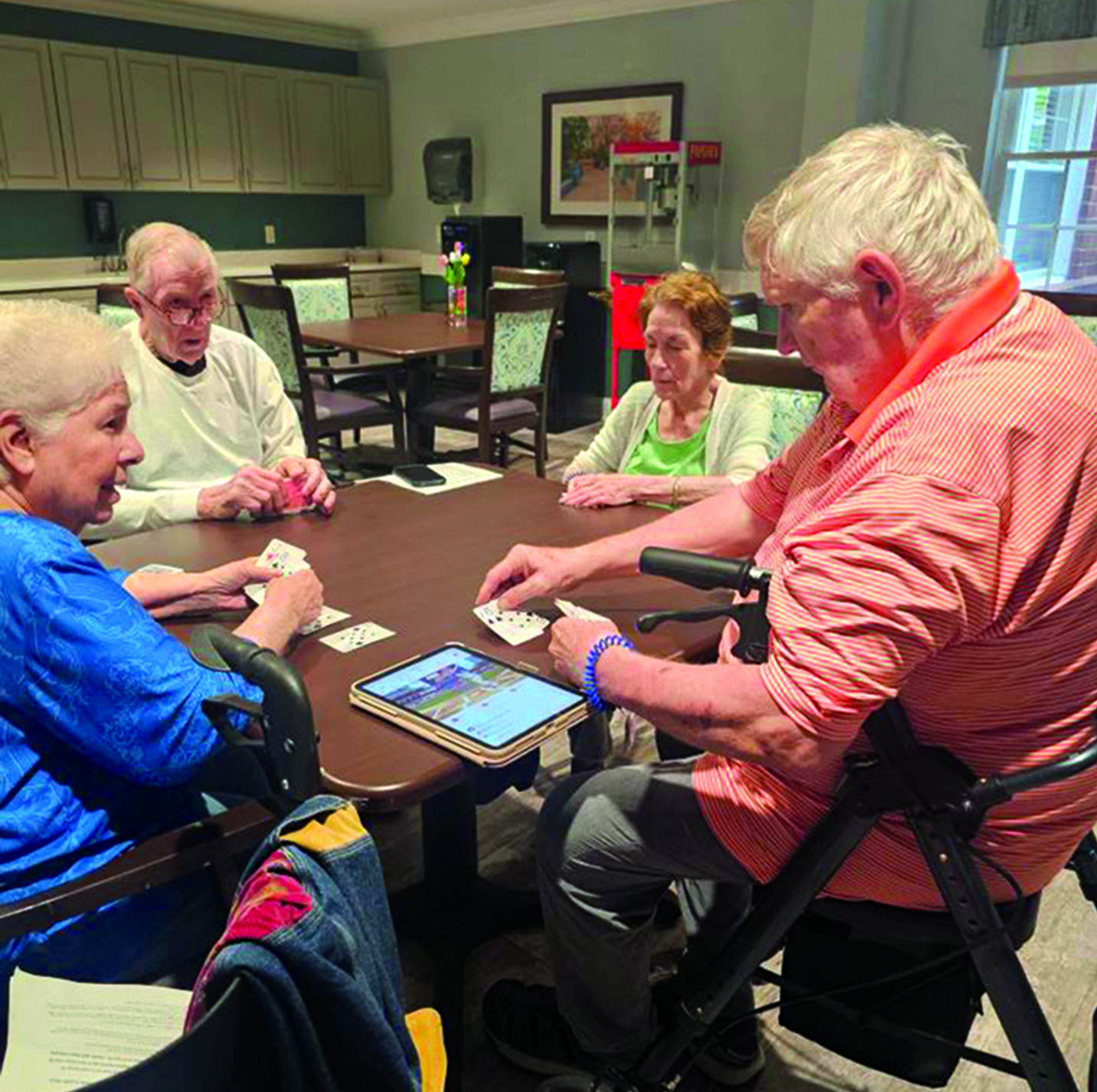
Your county likely offers a continuum of care, says Erica Flack, Senior Program Manager for the Department of Senior Services for Fulton County. In Fulton County, that ranges from 14 multi-purpose centers for independent seniors to subsidized adult day care. “There are chore, personal care, transportation and respite services available for subsidized communities and in-home care,” she says.
Check your county’s offerings on its website or search for senior services. “You can call and give them an idea of what you are looking for, and they will have a list of services available,” she says.
For local support:
• Empowerline/Atlanta Area Agency on Aging – empowerline.org
• Georgia’s Aging & Disability Resource Connection – aging.georgia.gov
For caregiver education:
• Adult Children of Aging Parents – acapcommunity.org
• Rosalynn Carter Center for Caregivers – rosalynncarter.org
• Caregiver Action Network – caregiveraction.org
For diagnosis-specific help:
• Alzheimer’s Association – alz.org
• The Parkinson’s Foundation – parkinson.org
• The ALS Association – als.org
• American Cancer Society – cancer.org
• American Heart Association – heart.org
• American Stroke Association – stroke.org
• National MS Society – nationalmssociety.org
For national aging services:
• Administration for Community Living – eldercare.acl.gov
• Center for Positive Aging – centerforpositiveaging.org