

Curious About Laser Treatments? Start Here

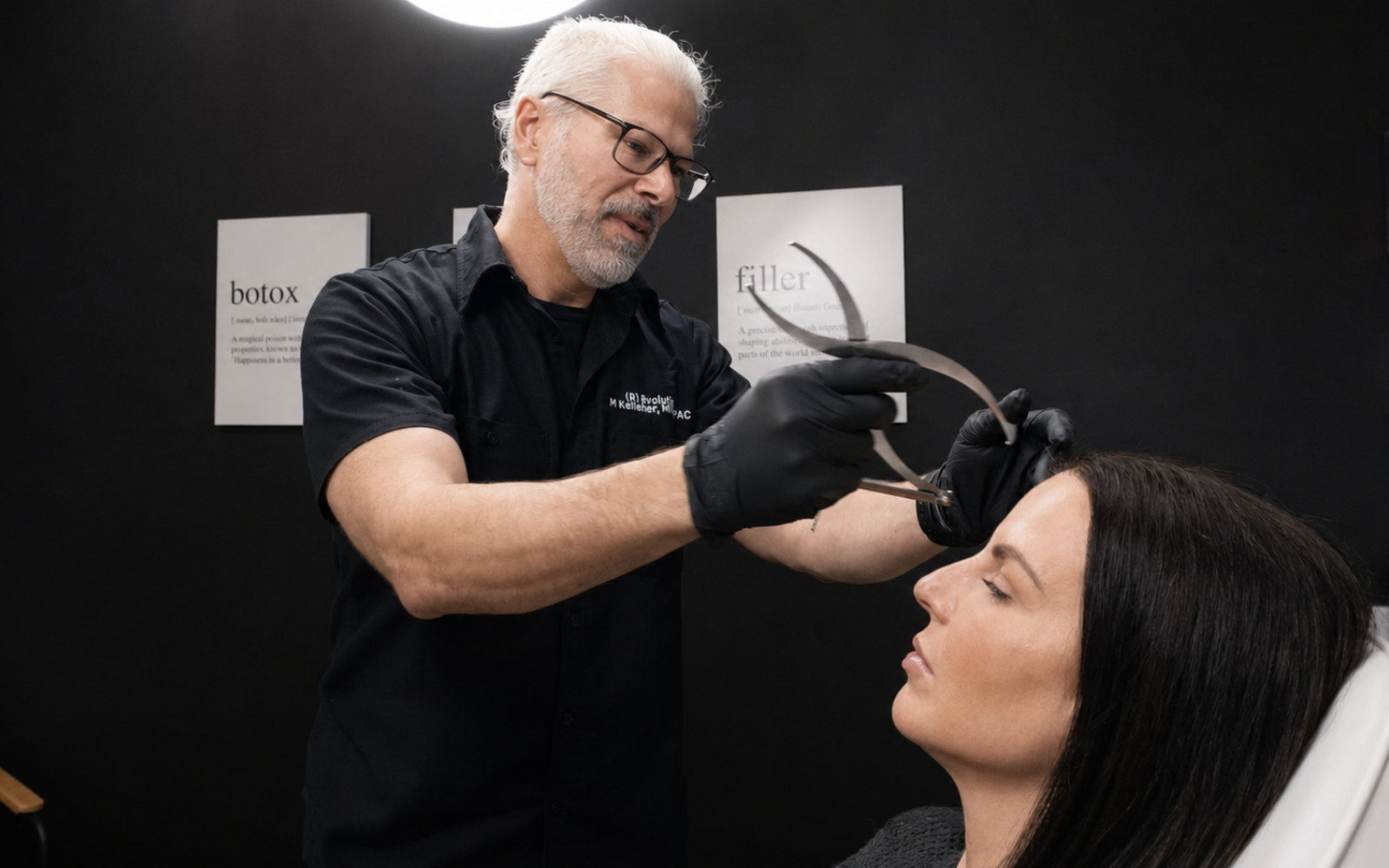
(R)Evolution’s Mike Kelleher answers five common questions about new laser technology, downtime, safety and realistic results.
For someone new to laser treatments, what concerns can lasers address, and how do you determine which type of treatment is appropriate?
Laser treatments can address a wide range of concerns, including pigmentation, redness, fine lines, wrinkles, enlarged pores, uneven texture, scarring and skin laxity. Some treatments work at the skin’s surface, while others deliver energy more deeply to stimulate collagen, tighten tissue or contour an area. We begin by looking at the patient’s skin type, anatomy, lifestyle and goals, then determine which technology and treatment depth will provide the best result with an appropriate amount of downtime.
What has changed most in laser treatments recently, and which newer advancements do you believe meaningfully improve results rather than simply generating buzz?
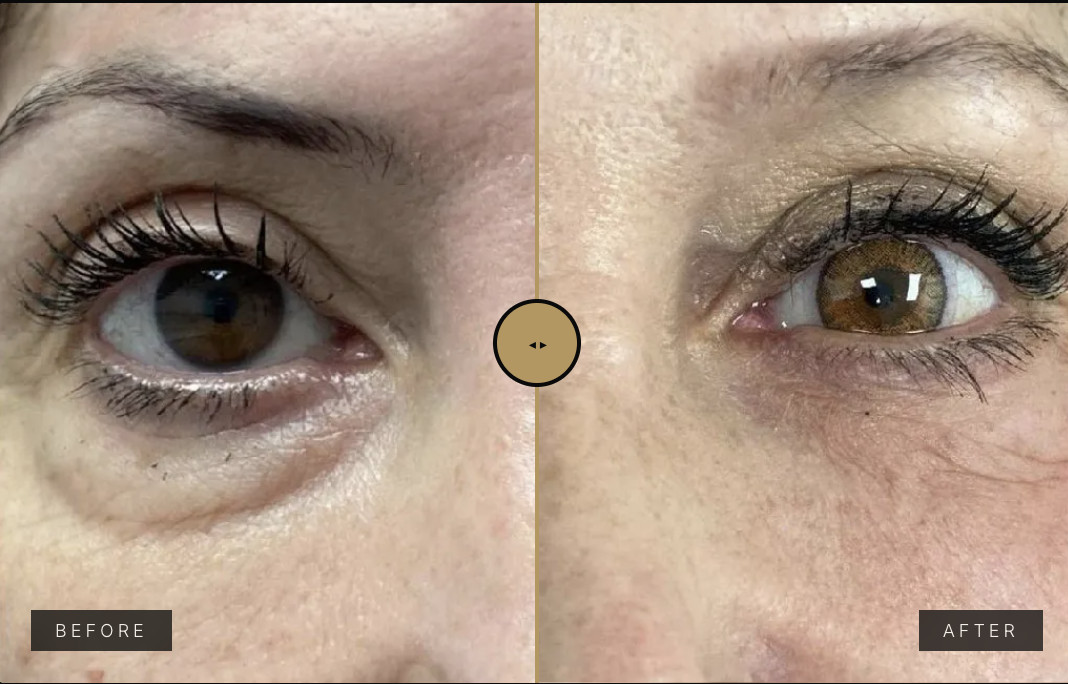
Some of the exciting developments in laser treatments include procedures like EndoLift, which go deeper to achieve significant results. During Endolift—which (R)evolution pioneered here in Georgia—a very fine laser fiber is inserted into the tissue and allows us to tighten, contour and perform lipolysis on a variety of skin types and body areas. The laser was developed specifically for this purpose more than 20 years ago in Italy and is still relatively new to the United States.
I am also excited about newer ablative technologies that improve upon traditional CO2 and erbium lasers, allowing us to provide significant resurfacing and tightening with less downtime and discomfort across a wider range of skin types. Laser treatments are truly the future. Studies on photobiomodulation and changes occurring at the cellular level make this an especially exciting area of aesthetic medicine.
Is there really such a thing as a “no-downtime” laser, or does achieving a noticeable result always require some degree of redness, peeling or recovery?
Yes. Non-ablative fractional lasers can heat the underlying skin to stimulate collagen and improve fine lines, pigmentation, pore size, texture and scarring without removing the surface layer. At (R)Evolution, we offer LightScan Fractional Laser treatments with little to no downtime and are currently the only provider offering this technology in Georgia.
However, patients should not expect five to 10 years of environmental damage and aging to be erased in one no-downtime treatment. These lasers serve a specific purpose and can yield great results in the appropriate patient, although a series may be recommended for more substantial improvement.
For someone curious about lasers but nervous about pain, pigmentation changes or looking “overdone,” what factors make a treatment safer and more predictable?
At this point in my career, we typically spend more time discussing the treatment with the patient than performing the actual procedure. This allows us to understand one another, identify exactly what the patient wants to address and devise a comprehensive treatment plan.
The provider should consider the patient’s skin type, medical history, previous treatments and risk of pigmentation changes when selecting the technology and settings. Patients should also understand the expected discomfort, recovery and results before moving forward. If a provider is not open to answering questions or discussing those concerns in detail, seek another opinion.
How soon should someone expect to see results from a laser treatment, and how can they tell whether they need one treatment, a series or ongoing maintenance?
That depends on both the technology and the concern being treated. Some patients notice an early improvement in tone, texture or tightness, while collagen remodeling continues gradually over the following three to six months. Gentler, non-ablative treatments often work best as a series, while more intensive or deeper treatments may produce a more substantial change from one session.
Maintenance also depends on the patient’s age, skin quality, sun exposure and skincare habits. Laser treatments can address existing damage and stimulate healthier tissue, but they do not stop the aging process. Daily sun protection, medical-grade skincare and an individualized maintenance plan will help protect and extend the results.
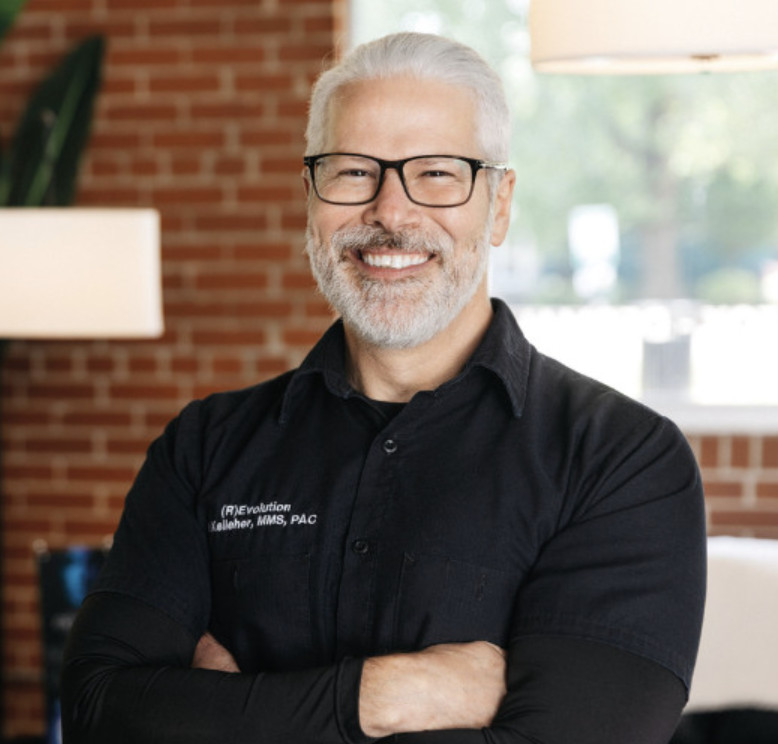
Mike Kelleher, PA-C, is the founder of (R)Evolution MedSpa in Decatur. An Emory-trained physician assistant with more than two decades of experience in nonsurgical aesthetic medicine, he specializes in natural-looking facial rejuvenation and advanced treatments, including EndoLift and LightScan fractional laser.
104 Sycamore Place, Ste. A, Decatur. 404.689.1223, revolutionbymka.com