

Atlanta Innovative Medicine Answers Your Regenerative Medicine Questions


Regenerative Medicine
Q: What are the upsides of stem cell therapy over surgery?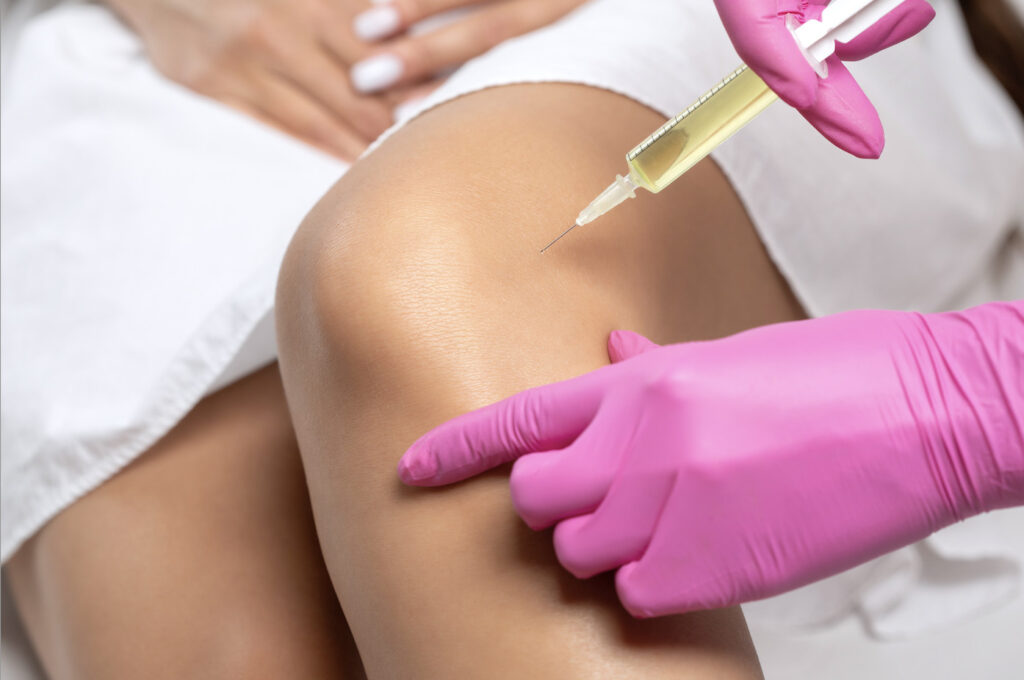
A: While surgery can be effective, orthopedic stem cell therapy offers several advantages, including being less invasive, which leads to quicker recovery times and a lower risk of complications. Additionally, this therapy is highly well-tolerated by most patients and can potentially treat multiple areas in just one visit.
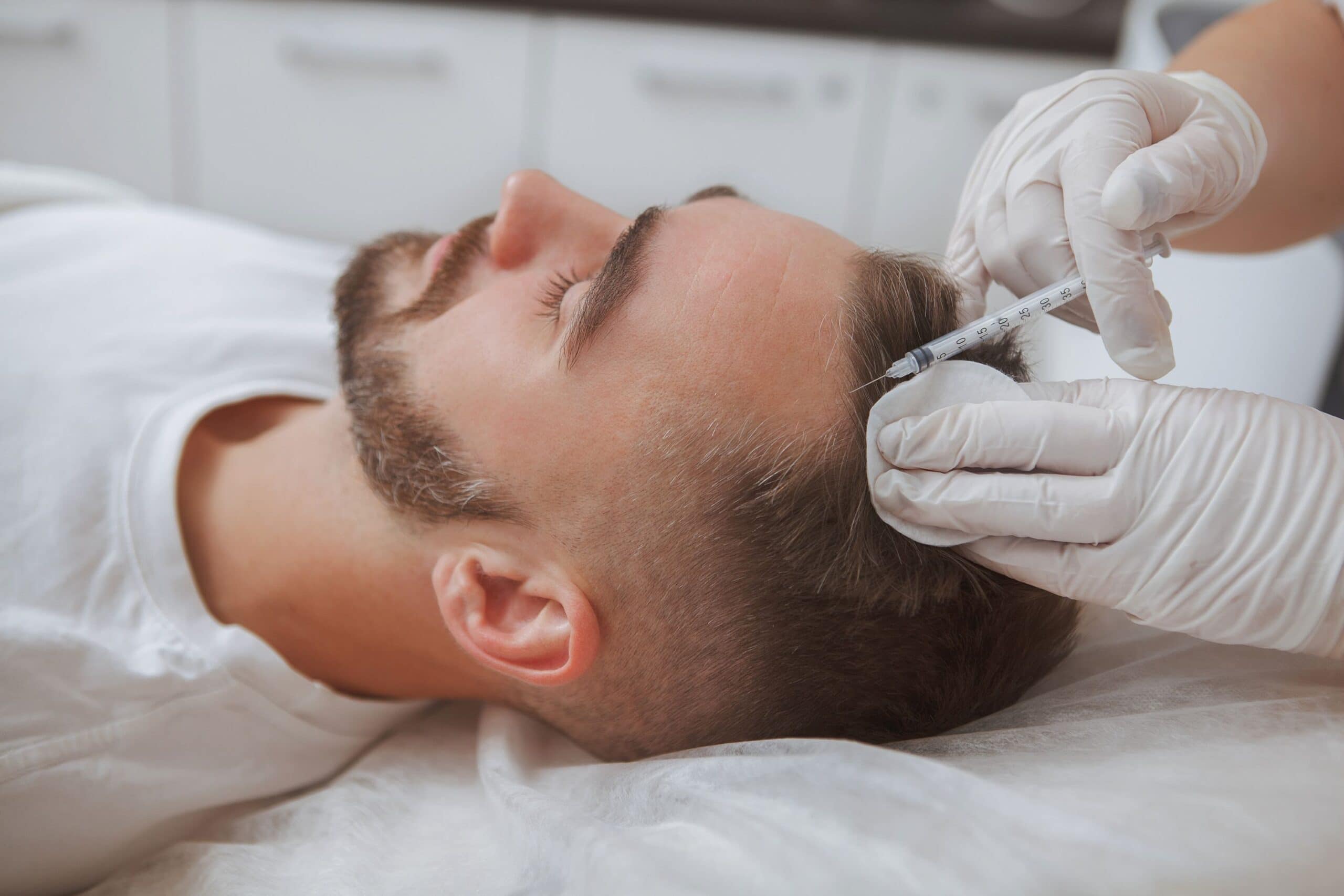 Q: How long will it take to see hair growth results with platelet-rich plasma
therapy (PRP)?
A: Being a tailored approach to each patient, the response to PRP varies significantly from person to person. For many, visible hair growth is noticed shortly after the first session and within two months. We recommend one session every month for three to five months.
Q: What can I do if a cortisone shot doesn’t work or the pain relief doesn’t last?
A: Cortisone shots offer quick relief but don’t address the root cause of pain. At AIM, we provide regenerative therapies–stem cell therapy, prolotherapy, prolozone therapy and more–to harness the body’s natural healing power to reduce pain, support tissue repair and improve joint function for longer-lasting, more effective results.
Q: What makes Myers’ Cocktail IV Drip Therapy different from other IV therapies?
A: Unlike standard hydration drips, the Myers’ Cocktail is a time-tested formula combining high-dose B vitamins, vitamin C, magnesium and  calcium—specifically designed to target fatigue, migraines, muscle spasms and chronic conditions like fibromyalgia. Its unique blend helps restore cellular function and immunity more effectively than basic IVs. Patients often report a noticeable energy boost and symptom relief within hours.
Q: What is Prolozone Therapy, and how can it help with chronic pain?
A: Prolozone Therapy is a nonsurgical treatment that combines ozone (concentrated oxygen) and nutrients to stimulate the body’s natural healing processes. By injecting this mixture into damaged tissues it promotes regeneration and reduces inflammation, effectively addressing conditions like arthritis, tendonitis and chronic joint pain. This therapy targets the root cause of pain, offering patients a path to recovery without relying on surgery or prolonged medication use.

Q: How does platelet-rich plasma (PRP) therapy work and what conditions can it help?
A: PRP therapy uses your body’s own platelets, which are rich in growth factors, to stimulate healing and tissue regeneration. A small amount of your blood is drawn, processed to concentrate the platelets and then injected into the injured area. PRP can be effective in treating joint pain, tendon injuries, arthritis and even hair loss and ED for men. By targeting the root cause of damage, PRP supports faster recovery and long-lasting relief without surgery or prolonged downtime.
Atlanta Innovative Medicine
770.416.9995, atlantamedicine.com