

Is AI Rewriting the Rules of Love? How AI Is Reshaping Intimacy, Dating and Connection


One in five people today report having a relationship with AI. Not for work. Not for convenience. A relationship. It’s a statistic that feels startling and revealing.
The broader context makes it less surprising. More than 300 million people now use ChatGPT weekly. AI companion apps are on track to become a $290 billion industry by 2034. Meanwhile, dating apps are saturated with fake profiles, therapy waitlists stretch on and real community feels elusive. Loneliness is rising, even as connection is everywhere.
To some, this feels dystopian. To others, inevitable. To the experts studying it up close, it’s neither. “It’s already here,” says Bryony Cole, one of the world’s foremost authorities on sextech and creator of the Future of Sex podcast. “And the question isn’t whether it’s good or bad—it’s how we’re choosing to use it.”
What’s emerging isn’t a simple story about people choosing machines over humans. It’s a shift that puts more choice back in our hands than we might realize. As AI becomes part of how we date, communicate, process emotion and explore intimacy, we get to decide how much space it takes up. With the right awareness and boundaries, these tools can help us grow closer to ourselves and each other, rather than pulling us further apart.
What AI Relationships Look Like Today
When people talk about AI’s role in intimacy, it’s often framed as extreme or niche, like sex robots or AI boyfriends. But according to Cole, the appeal is far more nuanced, universal and rooted in everyday
emotional needs.

“It’s really about the low risk,” Cole says. “Low risk of rejection. Low risk of being misinterpreted. Low risk of someone completely disappearing.” In a dating culture shaped by ghosting and emotional whiplash, that predictability can feel like relief. “There’s a level of emotional safety. And the fact that it’s available 24/7. We can all relate to being awake in the middle of the night wanting someone to talk to,” Cole adds.
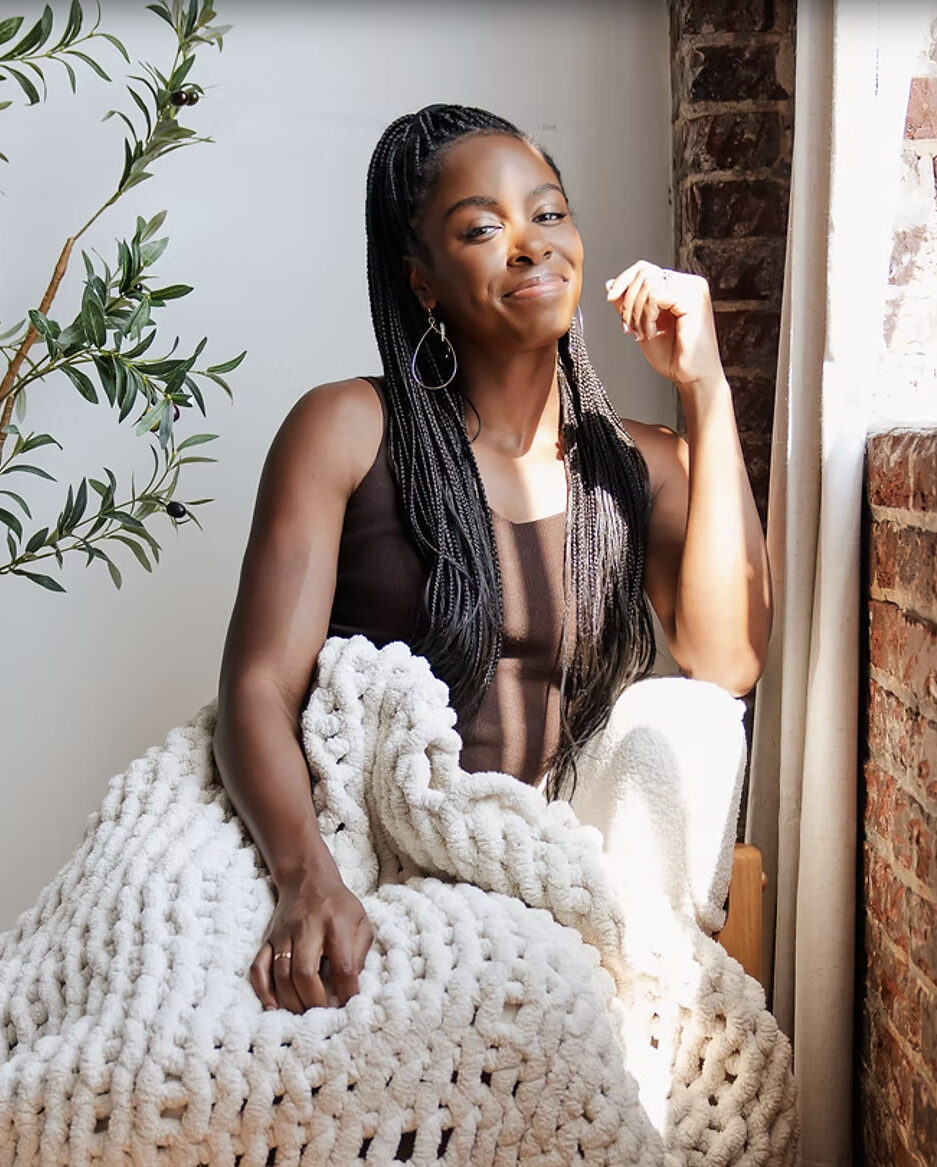
That reliability matters more than ever as social interactions become more fragmented, working remotely or living alone. Georgia-based therapist Talia Gutierrez sees AI stepping into spaces that used to be filled by friends, partners or community. “A lot of people tell me they scroll or use technology to regulate themselves,” she says. “But it’s not actually regulating. Your mind is constantly working. You’re just avoiding slowing down enough to feel what’s underneath.”
For certified sex therapist, Sadé Ferrier, LMFT, that avoidance is the bigger issue, not the technology itself. “People have always found ways to skirt around discomfort,” she says. “AI just happens to be the most powerful and accessible way to do that right now.”
Where AI Relationships Can Help
None of the experts interviewed argue that AI has no place in our emotional lives. In fact, they’re clear about where it can be genuinely supportive, especially when it’s used to prepare for connection rather than replace it.
“One of the most powerful ways people are using AI companions is almost like a live journal,” Cole explains. “It’s a place for reflection and growth. We’re seeing people rehearse difficult conversations, build confidence before they talk to their partner, or explore parts of themselves they haven’t had language for yet.”
That includes sexual exploration. “In sextech, we’ve seen people use AI to explore fantasies, queerness, or curiosity they might not feel safe expressing in the physical world,” Cole says. “There’s a sense of safety because it feels anonymous. And for many people, that learning feels productive and exploratory.”
Gutierrez sees similar benefits in her work. “AI can help people learn language around boundaries, attachment styles and emotional regulation,” she says. “For a lot of people, that’s empowering—especially if they didn’t grow up in environments where emotions were talked about openly.”
Even Ferrier sees a place for AI when it’s used intentionally. “If someone uses AI to learn social skills or understand relational patterns, that can be useful,” she says. “But I’d rather see it as a supplement—not the place where the relationship actually happens.” Used intentionally, AI can help people show up more thoughtfully in their relationships. The key is what happens next.
When Ease Starts to Replace Intimacy
The same qualities that make AI appealing—ease, predictability, emotional safety—can quietly undermine real connection when they become the default.
“Human relationships are messy,” Cole says. “There’s misunderstanding. There’s the need to apologize. There’s being perceived in a way you didn’t intend. And all of that mess and friction is where we build the muscles of empathy, communication and patience.”
AI removes that friction entirely. And over time, that can erode something essential. “The more time you spend with something that demands nothing of you,” Cole says, “the less tolerance you have for humans that do.” She’s careful to note that this doesn’t happen overnight. It’s gradual. Subtle. Often invisible until people realize they’re avoiding real conversations or losing hours to AI interactions.
Ferrier sees this erosion show up in couples therapy. “People come in saying, ‘ChatGPT told me my partner is avoidant,’” she says. “But the internet cannot know more about your spouse than your spouse does. Relational things have to be dealt with relationally.”
Gutierrez adds that the emotional cost often shows up in the body. “When someone is chronically overstimulated and disconnected from themselves, intimacy drops,” she says. “Your nervous system is in the bedroom before you are. If you don’t feel safe internally, connection is going to feel hard.”
3 Questions to Develop Healthy AI Boundaries
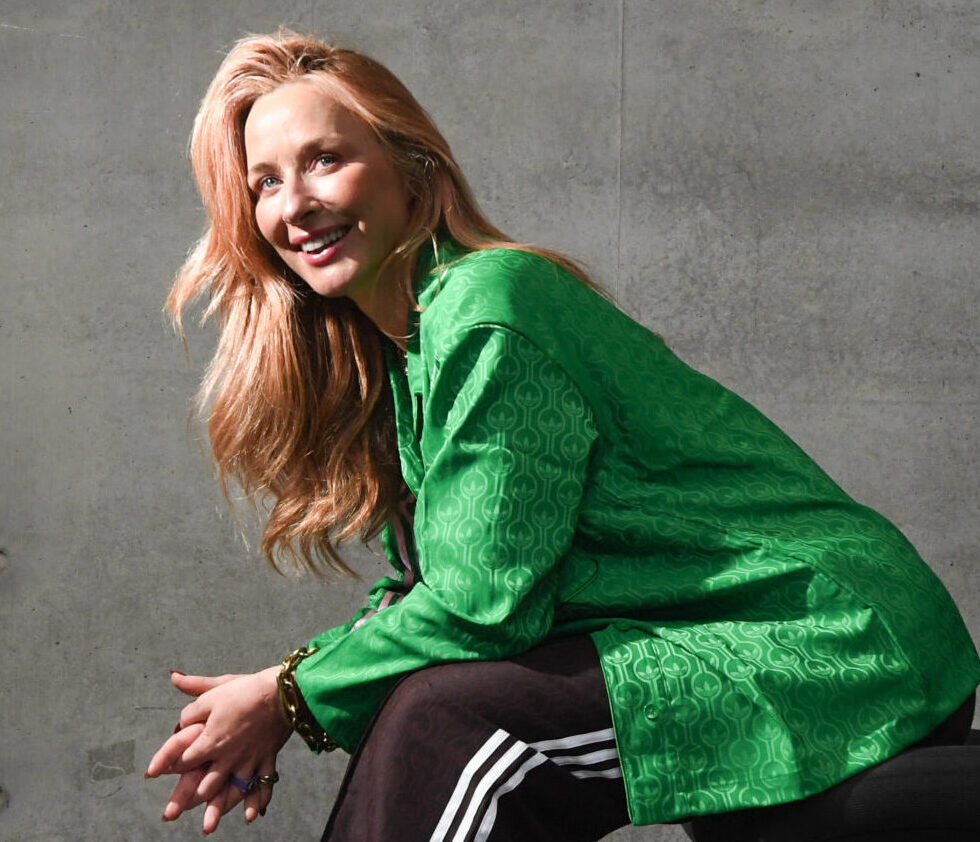
AI doesn’t need to be classified as good or bad to deserve boundaries. Once you recognize where it can support growth, the next step is deciding how you want it to fit into your life. “We’re not powerless here,” says Cole. Rather than rigid rules, Cole offers three guiding questions she believes can help people use AI to support intimacy rather than erode it.
1. Can you still embrace the messiness of being human?
Unlike real relationships AI is available 24/7, rarely disagrees and never challenges your beliefs. The result is ”easy intimacy” that asks nothing of you but also gives little beyond what you feed it. “When intimacy is that easy, we lose something vital, and not just our tolerance for humans, but our drive for growth,” Cole explains.
Ferrier sees this pattern often. “Unlike AI, which is designed to please you, human relationships require unpredictable exchange,” she says. “Being known and loved happens in the unpredictability when people stick around despite disagreements. Disagreements that push you to grow, try something you didn’t think you’d like or learn something new.”
2. Are you practicing or hiding?
AI can be useful for preparation. “People can use it to rehearse difficult conversations or organize their thoughts before talking to a partner,” Cole says. “That can be positive.” The question comes afterward. “Do you feel closer to people or further away? If you feel further away, you’re hiding.”
Gutierrez agrees. “If it helps you show up more clearly, great,” she says. “If it replaces the conversation, that’s where disconnection grows.” Ferrier sees this distinction play out in couples. “If AI helps you organize your thoughts so you can show up more clearly with your partner, that’s different than using it instead of having the conversation,” she says. “Relational things have to be dealt with relationally.”
3. What are you protecting by setting rules?
Boundaries aren’t about restriction. They’re about protection. “What matters enough to you in intimacy for you to protect it?” For some people, that might mean deciding that in the first few months of dating, you don’t use AI to decode text messages or attachment styles. “You’re going to protect your own judgement, your own sense of trust, your own intuition..”
For others, it might mean choosing not to process every emotional moment with a chatbot and instead turning to friends. “You’re protecting the privilege your friends have of showing up for you,” she says. “The threads of real friendships aren’t just about the fun times, but having the privilege of witnessing someone during their hardest times.” Ferrier also encourages simple, practical limits with your partner. “Going dark around bedtime is huge,” she says. “If you’re always reaching for your phone instead of your partner, that’s information.”
AI Dating and In-Person Connection
Despite fears of a fully automated future, there’s a countercurrent already forming. Craft groups and community classes gaining momentum. People are craving a connection that isn’t optimized. “I actually feel hopeful,” Cole says. “I think people are hitting a point where they realize they’re using AI too much. And they start wanting guardrails.”

For Atlanta-based matchmaker and dating coach Kimberly Erinkitola, this shift shows up clearly in the clients she works with. “There are over 1,500 dating apps now,” she says. “That many options create burnout.” After years of swiping through increasingly polished profiles, many daters are craving experiences that feel less filtered and more human. “Sometimes the most perfect profiles are actually red flags,” she adds, pointing to the growing distrust around AI-generated photos and scripted bios.
What Erinkitola sees drawing people back into real-world spaces—running clubs, social groups, curated dating events—is the desire to actually feel something again. Chemistry. Curiosity. Even nerves. Those sensations, she explains, are often uncomfortable simply because people are out of practice. Dating, in her view, is something that’s built through real interaction and repetition.
Connection, from this perspective, doesn’t come from efficiency. It comes from showing up, letting conversations unfold and staying present long enough to learn how you respond to another person in real time. AI can help people reflect and prepare, but when it comes to forming lasting relationships, Erinkitola sees a growing recognition that the work still has to happen face to face.
Today’s Dating Doozys
Modern dating comes with plenty of opportunities to get in your own way. Here, Erinkitola shares the most common mistakes she sees, along with tips to stop self-sabotaging.
- Mistake #1: Treating text like a relationship tool
Texting has its place—just not everywhere. “Once you’re having a deeper conversation, it’s time to take that off of text message,” Erinkitola says. “Texting can be so misleading and there’s just no tone to it.” Save texts for light connection—good-morning messages, memes, songs—and move emotional conversations to voice notes or calls. -

Kimberly Erinkitola. Photography by Brandon Coleman Photography LLC. Mistake #2: Forgetting how fast first impressions form
“Most of us make up our minds within seconds,” Erinkitola says. “That first impression carries more weight than we even realize it does.” Everything from posture to energy and clothing communicates before you speak. Her simple rule: “Stay out of all black on a first date. It’s not a color that attracts somebody to you.” - Mistake #3: Hiding who you are until you feel comfortable
This one shows up often, especially with introverts. “It’s important not to hide the best part of you until week three or month two. They needed to know who you were in the beginning,” Erinkitola says. Holding back may feel safer, but it often delays or derails genuine connection. - Mistake #4: Letting algorithms lock you into rigid preferences
Apps don’t adapt the way humans do. “The dating app’s not going to ask, ‘What didn’t you like about those dates? Should we try something different?’” Real progress comes from reflection and adjustment, something that still requires a human lens.
Choosing How AI Fits Into Your Life
AI isn’t going anywhere, and it can be helpful. But as Cole reminds us in her 2025 TEDNext talk, the most meaningful moments in life are uniquely human, and so worth protecting. “When I think about the most transformational experiences in my life, they’re not efficient, they’re not on demand,” she says. “They are intimate. An orgasm. Heartbreak. Showing up for a friend. Being held. Being rejected, that moment at a party where you lock eyes with your partner across a room or dancing with a stranger. The line between real intimacy and artificial intimacy isn’t in the code, it’s in our choices.”
“The most frustrating, messy human relationships will always teach us something that AI never can—What it means to be alive together.”
Resources
- Bryony Cole, instagram.com/bryonycole
- Talia Gutierrez, deepwellness.com
- Sadé Ferrier, myintimacytherapist.com
- Kimberly Erinkitola, instagram.com/thedatebetternetwork