
Curious Cancer Care: A cancer-survivor’s guide to holistic treatment options

By Jayne Hallock
When I was diagnosed with breast cancer in 2021, I learned firsthand what decision fatigue really feels like. Overnight, I was faced with a flood of choices. My oncologist handed me the thickest binder I’d ever seen, packed with treatment protocols, and it all washed over me like a scary, confusing wave. Thankfully, I had an incredible doctor to cling to like a buoy in the storm, guiding me through what would work best for me. I’m happy to share that, so far (knock on wood, reader), I’ve been getting all-clear scans for almost a year.
But while she helped me navigate medical treatments, there was no similar buoy for holistic recovery options. What really works? Which treatments fit my needs? I was left to Google and scroll through forums. Lucky for you, we’ve gathered industry leaders and healthcare experts to share which holistic healing options truly help and bust a few myths along the way. Let’s dive in together.
Refine Your Fuel: Supplements & Nutrition
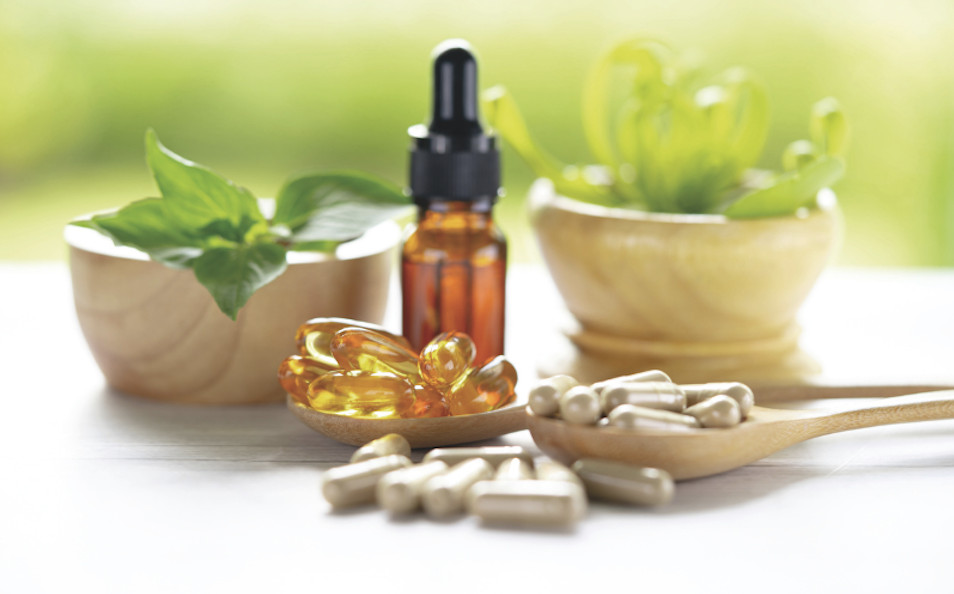
When it comes to supplements, three come up again and again in cancer recovery: Vitamin D, Fish Oil/Omega-3 Fatty Acids and probiotics. All three of these might already be in your medicine cabinet, but if they aren’t, here are some ways they can help you feel better.
- Vitamin D: Many cancer treatments can leave you deficient in this essential vitamin. If you’re getting regular lab work, your doctor may spot it—but if not, there’s one major clue: you’re exhausted. Bone tired. Of course, other factors can contribute to tiredness, like a low white blood cell count, but Vitamin D can and does great work in combating fatigue.
- Fish Oil: Fish oil can also chip away at fatigue, but more importantly, it can reduce inflammation and support both brain and heart health. If you’re prone to stomach issues, proceed with caution as fish oil can cause a bit of upset.
- Probiotics: Speaking of stomach issues, if you’re going through any number of treatments, from chemotherapy to radiation, your gut microbiome is likely way out of whack. Probiotics can help restore balance and helpful bacteria to your gut, bacteria that are often wiped out by chemotherapy and radiation.
Licensed Naturopathic Physician and acupuncturist Winston Cardwell of Atlanta Integrative and Internal Medicine says patients should proceed with caution when adding new supplements, though. “Individualized nutrition support can combat treatment-related weight loss, fatigue and poor wound healing,” he notes. “Whole-food antioxidants are fine, but the debate is mostly about high-dose supplements, which can interact with therapy. It’s best to clear any pills/powders with your care team.”
Not Your Grandma’s Blunt: Medical Marijuana
If you’re reading this, chances are you live in Georgia, where recreational marijuana remains illegal, but medical marijuana is not. For those who qualify for a medical card, THC may help ease one of the toughest parts of cancer treatment: the side effects.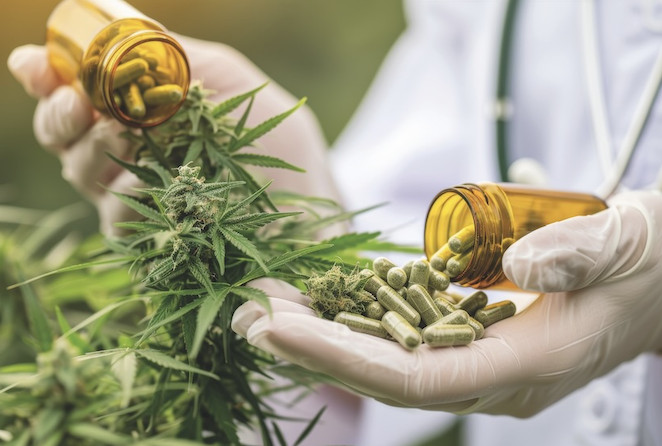
“Carefully used, cannabinoids can help refractory chemo-induced nausea and vomiting when added to standard antiemetics,” says integrative medicine specialist and Progressive Medical Center co-founder Gez Agnolli, ND, PhD. “They’re not proven anticancer therapies, and dosing or interaction issues are real—so this should always be coordinated with the oncology team.”
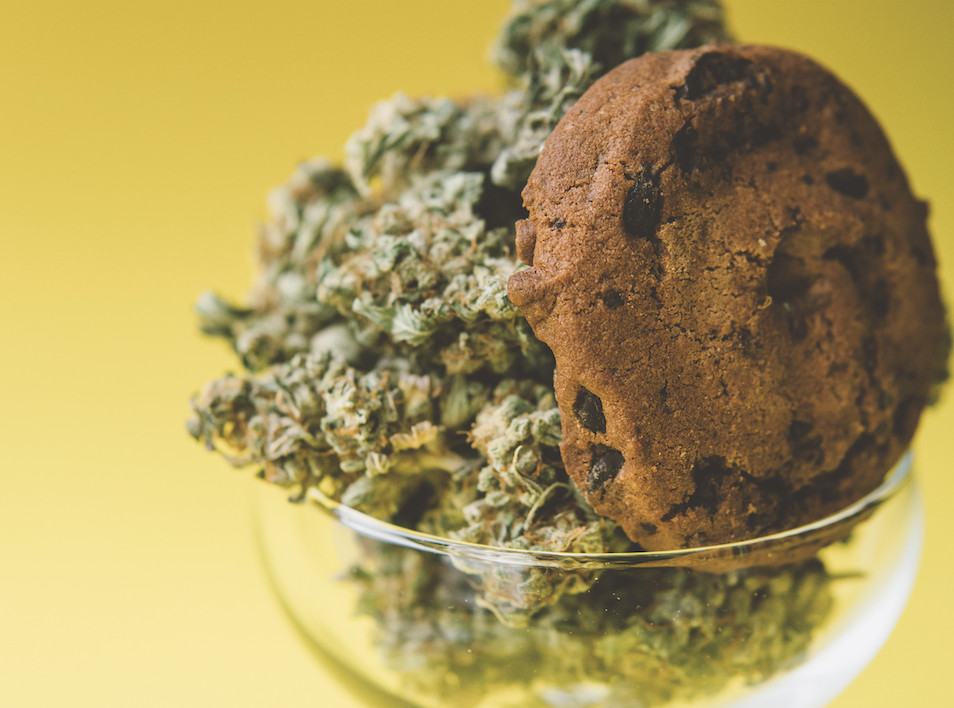
During my own chemo journey, prescription anti-nausea medications barely helped. After weeks of not eating and feeling weak, I finally tried medical marijuana. Within one hour of trying a small edible, I was happily asking my husband to run out for a bucket of fried chicken. The next day, I felt stronger than I had in over a month because I had actual food and nutrients in my system. THC can also help with pain relief and better sleep.
For those curious about expanding symptom relief options, it’s also worth reading up on how CBD differs from THC. The two compounds can complement each other, with CBD often tempering THC’s psychoactive side effects.
The Power of Us: Support Groups & Community Care
There is a lot of science that supports the mental value of talk therapy. And who better to talk about your cancer journey with than other people who are going through the same thing? People who “get it.”

There are countless Facebook groups, subreddits, and even communities on the American Cancer Society that are ready and waiting for you. Even if you don’t consider yourself a social person, go lurk! You can trade notes about side effects, new medical breakthroughs, gripe about mean nurses and discuss ways
to navigate work and family with your treatments.
“Our Cancer Support Group Healing Strong Community has shown that coming together in shared experience relieves stress when dealing with the mental effects that take a toll on the body,” adds Magda Sneddon, FNP-C, a medical provider at Progressive Medical Center. “It lowers distress and improves quality of life; anxiety and depression can otherwise derail treatment and recovery. The myth is that ‘being strong means going it alone,’ but actually, psychosocial support is part of whole-patient care.”
Watch The Numbers: Data-driven, Personalized Tech
From mood-tracking apps to wearable devices, technology is quickly becoming a partner in holistic cancer care. Sync your Apple Watch, Fitbit or Oura ring to help track two of the most effective tools in your recovery arsenal: sleep and exercise. Gathering and sharing this data with your care team can help inform treatment decisions, supplements and next steps while keeping you accountable and on track.
Emerging technology that is still in beta is even more exciting. Wearable patches under development could analyze sweat to monitor stress, metabolism, and other biomarkers. These advances may soon give patients instant, real-time insights into how their bodies respond to treatment.
One of the biggest ways tech can help? By helping you explore even more options available to you. Check out the ChatGPT prompts we have created for you to help you research and personalize your options. May you find relief, support and most importantly that beautiful, feathery thing: hope.
Exploring Your Options with AI

Ready to personalize your care? Try these ChatGPT (or any AI assistant) prompts:
Starter Prompt
- “I’m a ___-year-old diagnosed with ___ cancer (Stage ___) on ___ date. My treatments include ___ and my main symptoms and current side effects are ___. I live in ___ and want to learn about safe holistic support options near me. Please note what I should discuss with my doctor.”
Compare Options by Goal
- “Given my background, list 3 holistic therapies that could help with ___ (fatigue, stress, appetite, sleep). Explain how they work, what evidence exists and what to ask my doctor before trying them.”
Day-to-Day Personalization
- “Create a sample daily or weekly routine for me that blends my conventional treatment plan with holistic supports (nutrition, supplements, mindfulness, light exercise, or tracking tools). Keep it realistic for my energy level.”