
How to Save the World (Starting Right Where You Are)
Social entrepreneur Kiah Williams shares the mindset, habits and heart-led steps that help anyone make a meaningful impact in 2026.
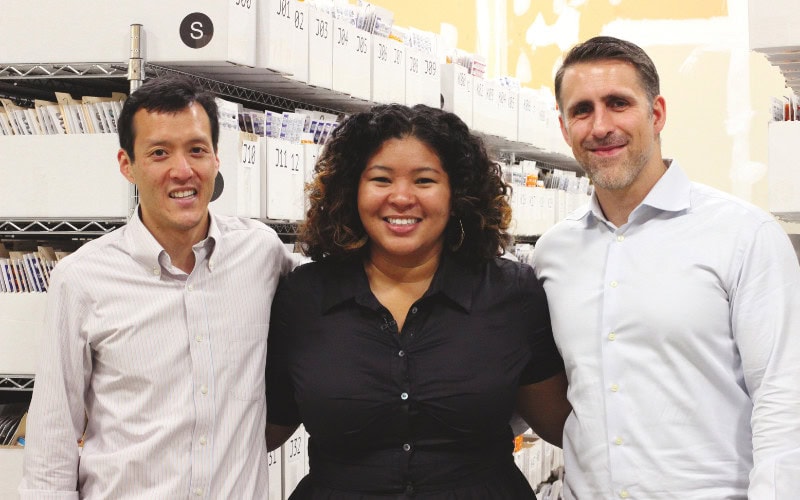
In a year defined by overwhelm and a constant churn of bad news, it’s easy to give up on the world. But the start of a new year offers something rare: a clean slate for purpose and impact. Few understand that better than Kiah Williams, social entrepreneur and co-founder of SIRUM, the largest redistributor of surplus medications in the US, based right outside of Atlanta.
Williams’ impact started small by recognizing a need and an injustice: more than 1 in 4 working-age Americans skip the medicine they need due to cost, while $11 billion dollars of perfectly good, unused medication is wasted each year. With a little creativity and help, Williams and her co-founders built a technology-based model that connects healthcare facilities,
long-term care homes and community partners with charitable clinics and pharmacies to deliver medications to those in need.
One simple idea, combined with the courage to act now, has changed the lives of millions of low-income Americans in need. It’s an inspiring story and one that proves that with a little compassion, direction and focus, you can make a difference in your community and world too. So prepare to search your heart, grab your pen and find out how to amplify your impact to make 2026 the best year yet.
Start With What Moves You
For Williams, meaningful impact begins with ruthless prioritization, a skill she insists is not harsh but deeply human. “Everyone feels pretty busy,” she says. “I think folks feel overwhelmed and feel like there’s not much that they can do to improve their life or the lives of people around them. There are so many issues that exist, how do you hone in on what matters most to you?”
One suggestion: focus on what hits close to home. Maybe you want to see more gardens, maybe you want to clean up trash in your neighborhood, maybe you’re really upset that access to prescription drugs is really hard. “If you feel anger, or bothered, or sadness, or happiness, these strong emotions can be big indicators of something you’re really going to follow through on and, honestly, something you’re going to enjoy,” Williams says. “What you focus on should be something you enjoy because that means you’re going to keep doing it.”
If the Path Doesn’t Exist, Build the Beginning
Williams knows that sometimes the issue you care about has no existing home — no committee, no nonprofit, no structure to plug into. That was exactly the case with SIRUM. “Like many organizations, SIRUM started as a student group,” she says. But rather than waiting for someone else to fix the problem, she and her co-founders simply began by asking questions.
They looked for need. They looked for waste. They looked for opportunity. “Every step became an answer to the previous question,” she explains. “Now we know that there’s surplus… now we know that there’s demand… can we match the two?”

Her biggest advice: don’t wait for a perfect plan and stay plugged into your community. “You can’t do it in a box,” she says. “Start talking to people.” Whether you are trying to understand a community you hope to serve, vet whether a solution already exists or consider your own blind spots, conversation is the fastest path to clarity. Williams stresses the importance of co-conspirators — people with “skin in the game,” from cofounders to advisors to community partners.
Even AI, she says, can be a helpful ideation tool, as long as you balance it with community input. “Human beings are good at discernment,” she says. “AI can give ideas, but it still requires a human being to think through which of these are possible.”
Failing Fast and Finding Your Northstar
Despite the best-laid plans, community input and research, your efforts might fall flat at one point. Despite your misses, you must keep moving. “It’s important to fail fast because it is important to learn fast,” she says. Nonprofits often live in a fuzzy middle ground of “it kind of worked,” she notes. But that ambiguity slows progress. “Sometimes it’s better to have the ‘Nope, that’s not it, we failed,’ because it forces you to go back to the beginning and find clarity.”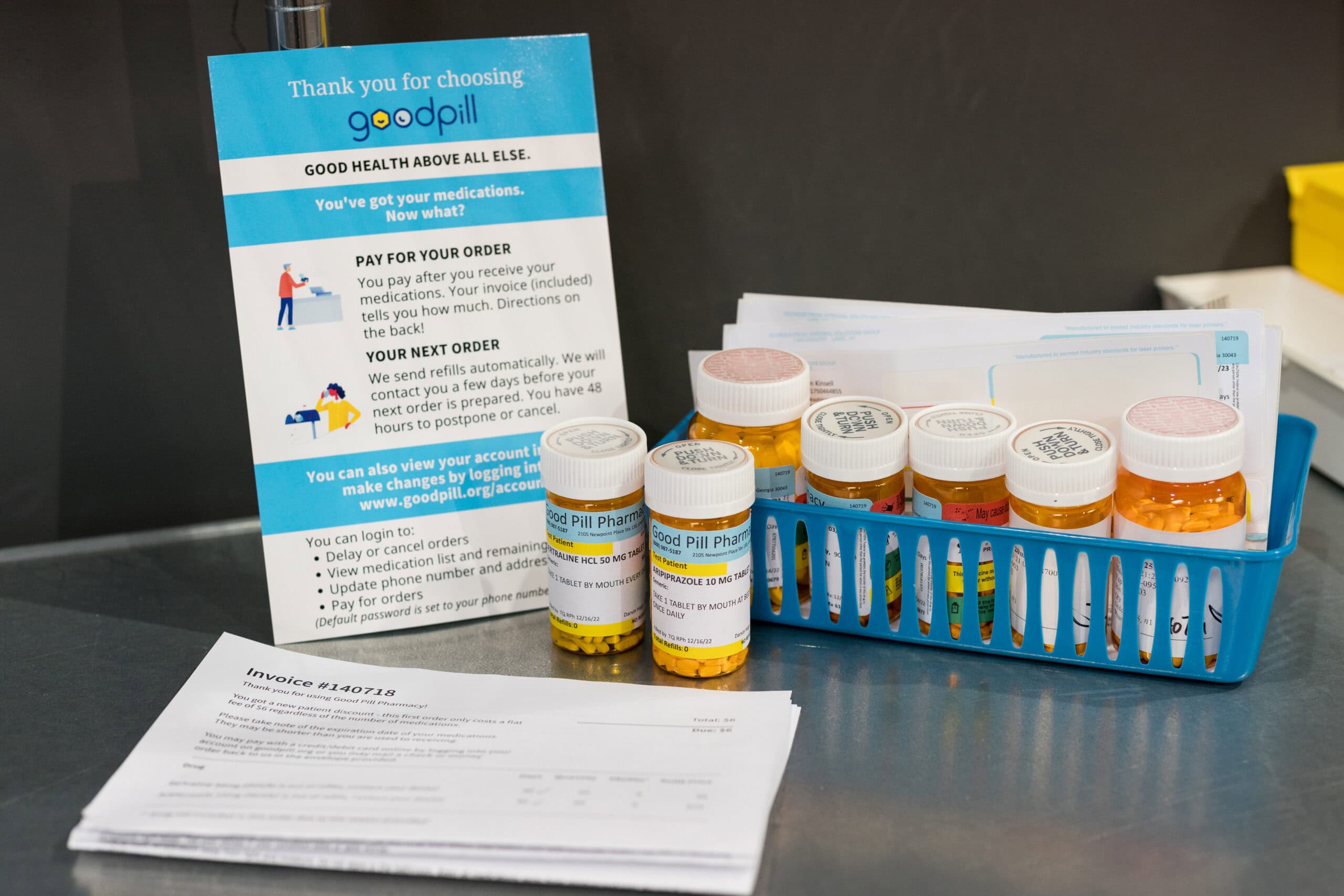
The way to avoid spinning in circles is to define success up front. “Set a goal marker,” Williams says. “A quantitative or qualitative one. Without those, you’re operating without a North Star.” And as for criticism? “All feedback is good to get,” she says. “Whether you take action upon that or not is up to you, but it gives you someplace to start from.”
Get Comfortable with Uncertainty
When asked about the biggest challenge nonprofits face today, Williams notes that it’s something all businesses are struggling with: uncertainty. “There’s a ton of things that just feel up in the air,” she says. “We all need to build some systems and tools to be able to face the uncertainty.” Nonprofits must learn agility while still “sharing a vision of what the future could be.”
If You’re Not Starting Something, Start Supporting
Not everyone has the capacity to found an organization, and that’s perfectly okay.
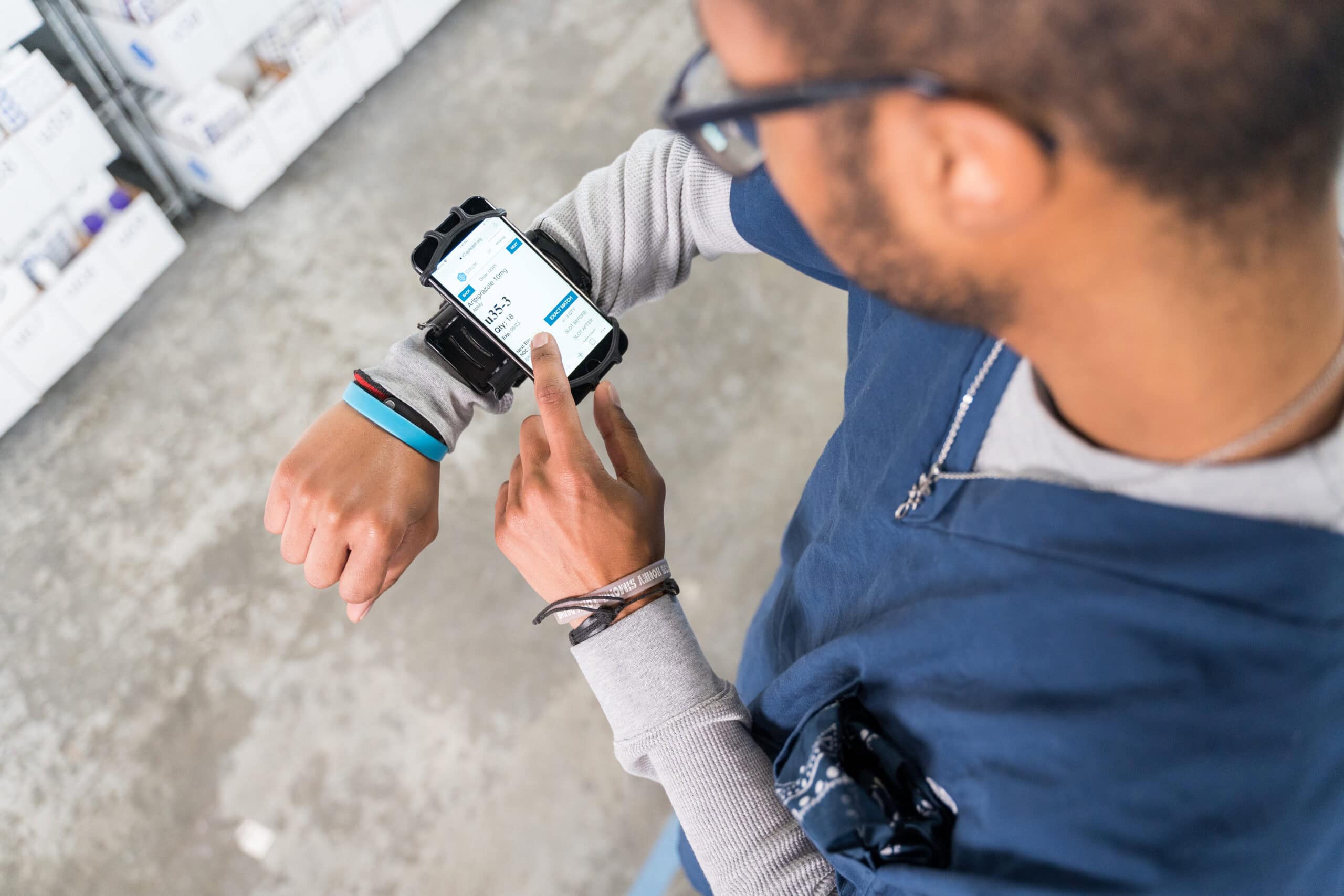
“If there is a cause ask that organization what they need and then believe them,” Williams says. Maybe it’s volunteering, a specific skillset or simply a donation. “Give what you can and be really open and honest, understand what you have to give and what you’re willing to do.”
Williams highlights several meaningful ways Atlantans can get involved with SIRUM:
- Donate unused, unexpired specialty medications, including oncology and fertility meds.
- Connect SIRUM to community groups, churches, nursing homes or workplaces with surplus or need.
- Invite SIRUM to present to local organizations.
“Don’t wait,” she says. “Your time, your attention to these things — it matters.”
3 Things Every Nonprofit Needs
Today’s nonprofits need to do more than take out an ad in the newspaper. According to Williams, every modern nonprofit needs three essentials.
- A targeted digital presence.
To seem legitimate, nonprofits need some form of digital visibility. But that doesn’t mean being everywhere. Williams emphasizes understanding your audience first. If you’re running a community garden, a neighborhood Facebook page may be far more impactful than a polished LinkedIn strategy. - Needs transparency.
 People want to help the helpers, but only if they know what you actually need. That means being honest about the gaps in resources and bandwidth. Whether you’re looking for volunteers or a seasoned COO, clarity invites alignment.
 - Operational excellence.
With so many organizations competing for attention, people can tell quickly whether you’ll deliver on your mission. Williams stresses that nonprofits have to execute reliably and effectively. Demonstrating measurable impact, keeping your promises and operating with professionalism all help signal that your organization is worth investing in.
 How to Give Back with Over 40 & Fabulous
Best Self Atlanta’s Over 40 & Fabulous community events offer hands-on ways to support Atlanta’s most impactful nonprofits. These gathewrings unite past honorees, volunteers and local charities for family-friendly service. From winter festivals and donation drives to youth support and community care, learn how to get involved at bestselfatlanta.com/over-40-and-fabulous.