

Men’s Health and PSA Screening: The Conversation Has Changed

By Scott D. Miller, MD, MBA
For years, prostate cancer screening created confusion and controversy. Many men avoided screening altogether because they feared uncomfortable exams, unnecessary biopsies, or treatment for cancers that may never have caused harm.
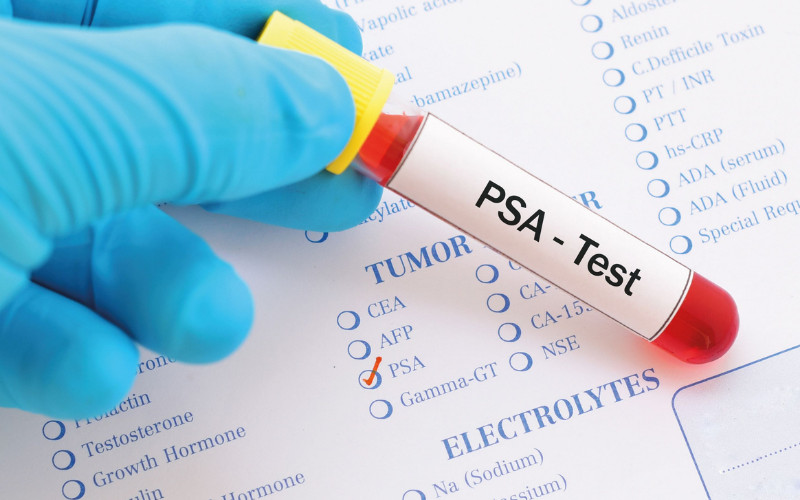
Today, the conversation has changed. One of the biggest shifts has been the move away from routine digital rectal exams, or DRE, as the primary foundation of prostate cancer screening. While the DRE once played a larger role, modern screening relies far more heavily on the prostate-specific antigen or PSA blood test combined with individualized risk assessment.
Why the change? Simply put, PSA testing is far more sensitive for detecting prostate cancer early. In fact, many cancers found on DRE alone are already associated with elevated PSA levels. At the same time, DRE can create false alarms, anxiety, and a major barrier that discourages some men from being screened at all. Ironically, the most important symptom of early prostate cancer is often no symptom at all.
That is why screening matters. Waiting for urinary symptoms can create false reassurance because most early prostate cancers cause none. Even when urinary symptoms are present, they are often coincidental and related to common benign prostate enlargement rather than the cancer itself. By the time symptoms directly related to prostate cancer develop, cure rates are often lower.
Modern PSA screening is also more sophisticated than it once was. We now better understand PSA trends, age-adjusted values, MRI imaging, genetic risk, and when active surveillance may safely replace immediate treatment. Screening is no longer a one-size-fits-all approach.
The goal is not to diagnose every prostate cancer. The goal is to identify the cancers that truly matter while minimizing unnecessary intervention. For many men, a simple blood test can provide valuable information long before symptoms appear. In men’s health, early detection remains one of the most powerful tools we have. Sometimes the cancers most likely to be cured are the ones you never feel at all
Look for my article on “Men’s Health and Sleep: More The Foundation of Better Health” in the next issue.
 Scott D. Miller, MD, MBA, is Wellstar’s Medical Director of Urology and of Robotic Surgery. He has practiced in Atlanta for over 20 years and sees patients at Wellstar Urology in Roswell, Wellstar North Fulton Medical Center and Wellstar Avalon Health Park. Wellstar North Fulton Medical Center offers the Know Your Heart Screening that can determine your risk of heart disease, stroke, and other serious conditions. Call 770-956-STAR (7827) to learn more or schedule an appointment.
Scott D. Miller, MD, MBA • Wellstar North Fulton Hospital • 470.956.4230 www.ScottDMillerMD.com